
The demand for durable field computing devices has remained strong across industries such as utilities, logistics, construction, and emergency services. In this space, the laptop panasonic toughbook cf 19 continues to hold relevance even years after its original release, mainly because of its rugged design, field-tested reliability, and long service history in demanding environments.
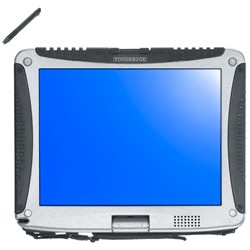
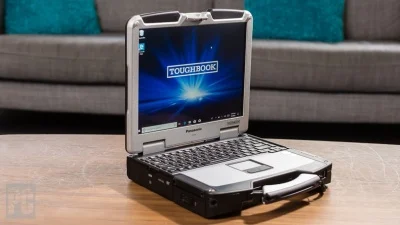
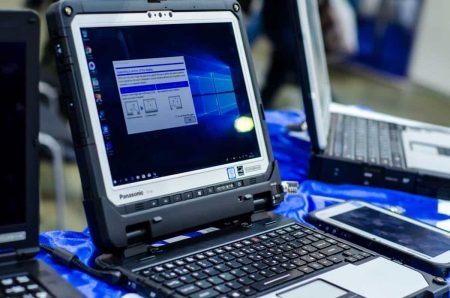
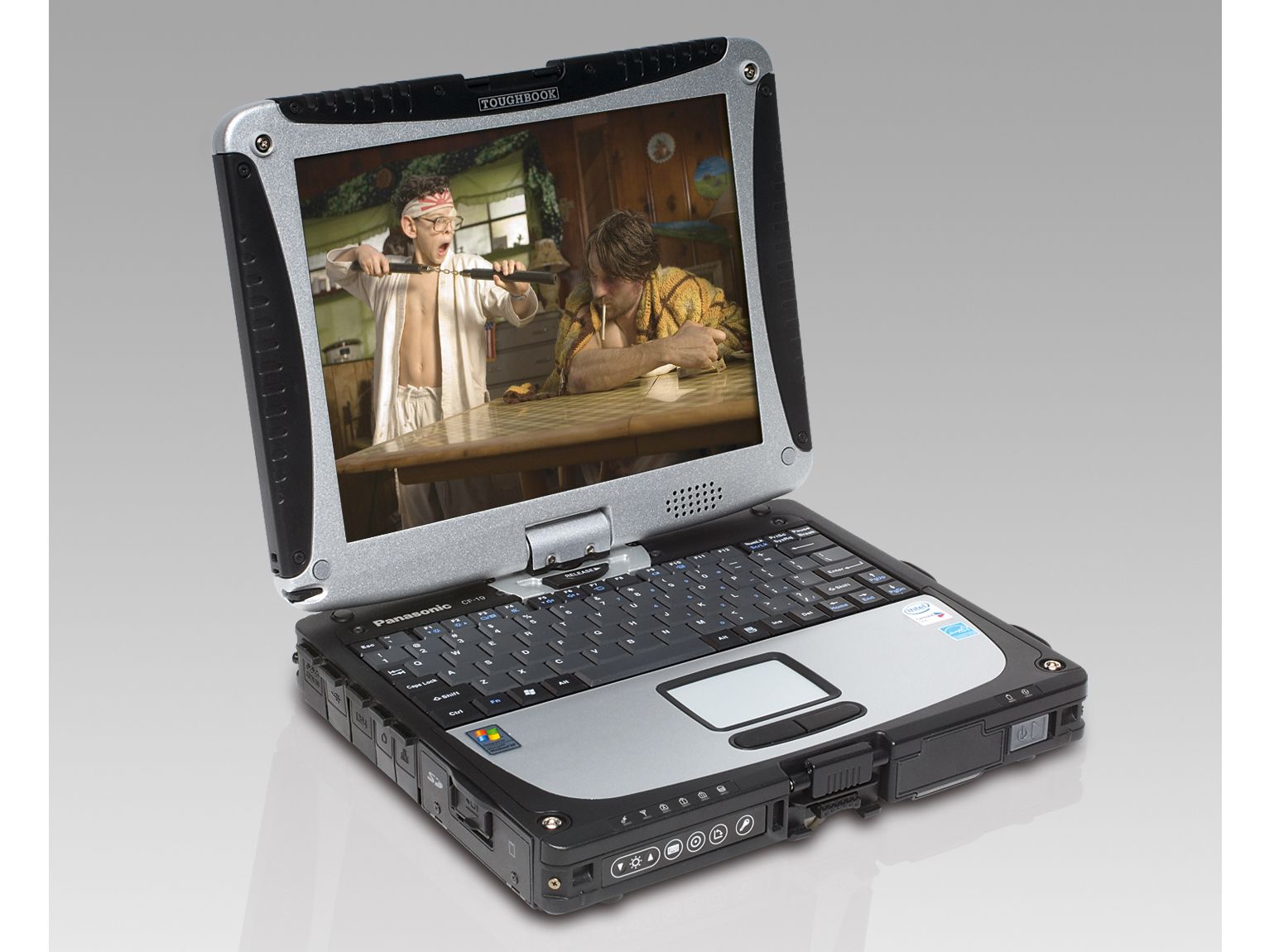
Unlike standard consumer laptops, rugged devices like the CF-19 were designed with mobility and harsh conditions in mind from the start. Field technicians often work in environments where dust, vibration, rain exposure, and accidental drops are part of daily operations. The CF-19 was built to handle these challenges with a reinforced magnesium alloy casing, sealed ports, and a convertible design that allows it to function as both a laptop and a tablet. This flexibility makes it especially useful for workers who need to switch between typing reports and capturing data on the move.
One of the key reasons the CF-19 continues to be used is its role in industries where long equipment cycles are common. Many organizations in utilities and government sectors do not replace hardware frequently. Instead, they rely on devices that can be maintained, repaired, and reused over long periods. The CF-19 fits into this model well because it was engineered for longevity rather than short upgrade cycles. Even today, refurbished units are still deployed in environments where basic field computing is required without the need for high-end processing power.
Another important factor is compatibility with legacy systems. Field operations often depend on specialized software, diagnostic tools, and hardware connections that were designed years ago. The CF-19 includes a range of physical ports and connection options that support older industrial tools. While newer laptops may require adapters or additional hardware, the CF-19 often connects directly, reducing friction in field workflows. This makes it particularly valuable for technicians working with established systems in utilities, transportation, and maintenance services.
Cost efficiency is another major consideration driving continued interest in the CF-19. New rugged laptops can be expensive, especially for organizations managing large field teams. Refurbished models of the CF-19 provide a lower entry point while still delivering the rugged characteristics needed for outdoor and mobile work. For many businesses, this creates an opportunity to equip more employees without exceeding hardware budgets. It also allows smaller organizations to access rugged computing capabilities that might otherwise be out of reach.
The CF-19 also stands out for its usability in real-world conditions. Its screen is designed to remain readable under bright outdoor light, which is essential for field inspections and on-site reporting. The convertible hinge design allows users to rotate and fold the display into tablet mode, which is useful when entering data in tight or awkward spaces. These practical design decisions continue to be appreciated by field workers who prioritize function over modern aesthetic features.
Battery management is another area where the CF-19 remains practical. While newer devices often rely on sealed internal batteries, the CF-19 supports field-friendly battery replacement options. This means workers can carry spare batteries and continue operating without waiting for a charging cycle. In industries where downtime directly impacts productivity, this feature remains highly relevant.
Of course, choosing a CF-19 today requires careful consideration. Since it is an older model, buyers must pay attention to refurbishment quality, battery health, storage type, and system configuration. A properly refurbished unit should be fully tested for hardware stability and cleaned for field use. Storage upgrades, such as solid-state drives, are often recommended to improve performance and reliability compared to older mechanical drives.
It is also important to match the device to the intended workload. The CF-19 is best suited for field data entry, inspections, reporting, and diagnostic tasks rather than modern high-performance applications. It is not designed for heavy software workloads, but it performs reliably for core field operations where stability matters more than speed.
Security considerations also play a role in deployment. Even older rugged laptops like the CF-19 must meet basic security requirements, especially in industries handling sensitive data. Organizations should ensure that operating systems are updated where possible and that encryption tools are properly configured to protect field information.
Despite being an older model, the CF-19 continues to demonstrate why rugged computing remains a specialized category. Its design reflects a focus on durability, field usability, and operational consistency. For many teams, it represents a balance between functionality and cost that newer consumer-grade devices cannot provide in harsh environments.
As industries continue to rely on mobile field operations, devices like the CF-19 maintain their place as dependable tools in specific use cases. While newer rugged laptops offer advanced performance, the CF-19 still serves organizations that prioritize practicality, compatibility, and budget control over cutting-edge specifications.
For organizations exploring reliable rugged computing options, including refurbished models and field-tested devices, Tough Rugged Laptops provides solutions designed to support demanding work environments across industries worldwide.