

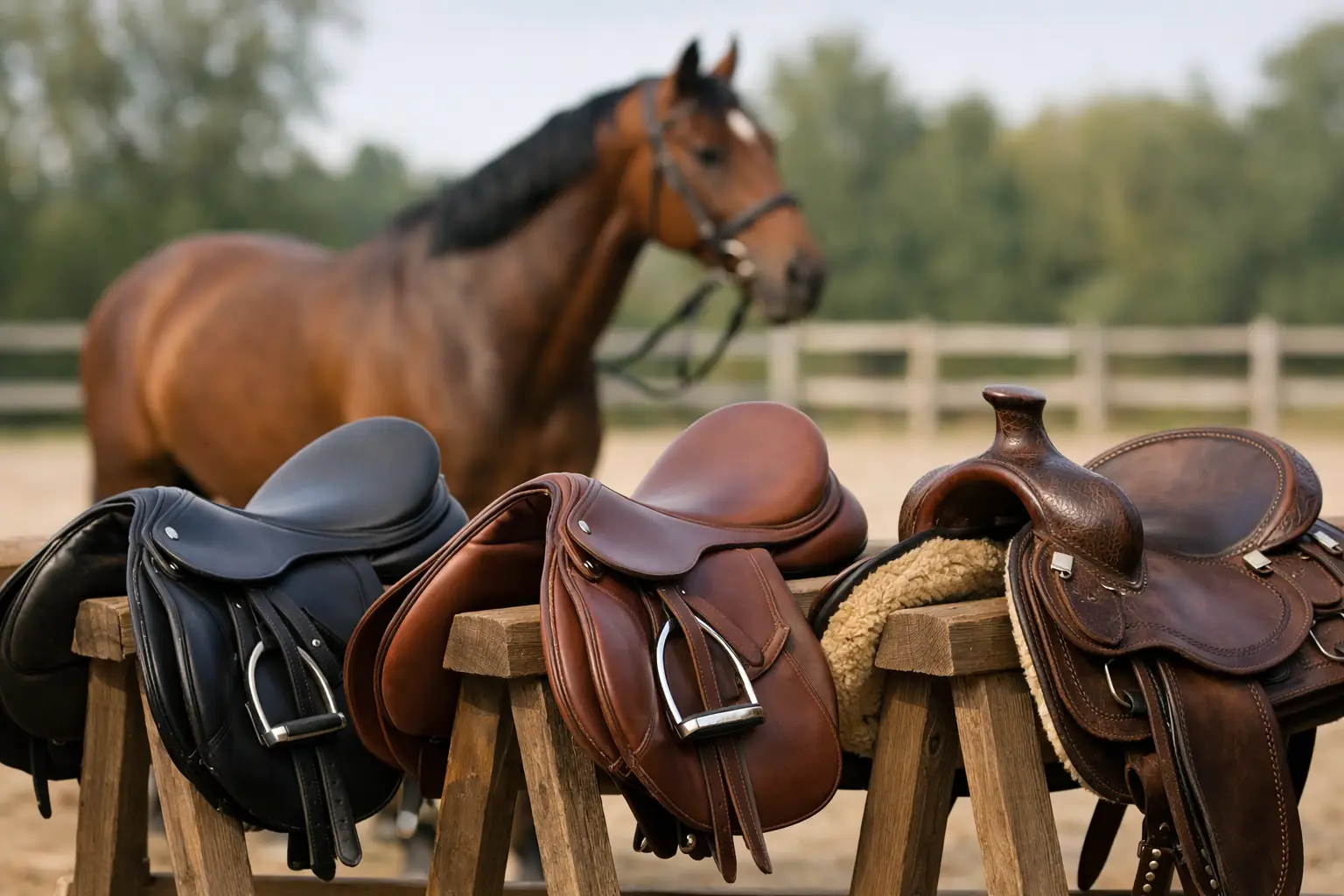
Choosing the right saddle is one of the most important decisions a rider can make. A saddle affects comfort, balance, communication with the horse, and performance during different activities. Understanding the types of western saddles can help riders select a design that matches their discipline, riding goals, and horse’s needs. Each western saddle style is built with specific features to support activities such as ranch work, barrel racing, trail riding, roping, and competition.
Western saddles have evolved over generations to meet the demands of different riding styles. While many share common features like a horn, cantle, seat, and stirrups, their designs vary based on how and where they are used.
Why Does Saddle Type Matter?
A western saddle is more than a piece of riding equipment. It helps distribute the rider’s weight, supports proper positioning, and allows the horse to move comfortably.
The right saddle can help riders:
- Maintain better balance
- Ride comfortably for longer periods
- Communicate effectively with their horse
- Support specific riding activities
- Reduce unnecessary strain on the horse
A saddle designed for barrel racing will have different features than one made for ranch work or long trail rides. Choosing based only on appearance can lead to discomfort for both horse and rider.
What Are the Main Parts of a Western Saddle?
Before comparing saddle styles, it helps to understand the basic parts that influence performance.
Saddle Horn
The horn is one of the most recognizable features of a western saddle. While traditionally used for roping, its purpose varies depending on the saddle type. Some riders use it for balance, while others rely on it during specific events.
Seat
The seat determines how the rider sits and feels in the saddle. A deeper seat provides more security, while a flatter seat allows greater freedom of movement.
Cantle
The raised back section of the saddle supports the rider’s position. Higher cantles are often preferred for added security, while lower cantles allow easier movement.
Gullet
The gullet provides clearance over the horse’s spine and affects how the saddle fits the horse’s back.
Stirrups and Fenders
These support the rider’s legs and feet. Their design can influence movement, comfort, and control during different riding activities.
What Are the Different Types of Western Saddles?
Different western saddle designs serve different purposes. The best choice depends on your preferred riding style.
All-Around Saddle
An all-around saddle is one of the most versatile options available. It is designed for riders who participate in multiple activities rather than focusing on one discipline.
Best for:
- Casual riding
- Beginner riders
- Light ranch work
- Trail riding
- Riders exploring different disciplines
Key features:
- Balanced seat
- Medium-weight design
- Moderate horn
- Versatile construction
This saddle works well for riders who want one saddle that can handle a variety of activities.
Barrel Saddle
A barrel saddle is designed for speed, quick turns, and agility. It is commonly used in barrel racing competitions where riders need a secure seat while making sharp movements.
Best for:
- Barrel racing
- Speed events
Key features:
- Lightweight construction
- Deep seat
- Higher cantle
- Secure rider position
- Compact design
Barrel saddles prioritize movement and stability during fast-paced events rather than heavy pulling activities.
Trail Saddle
Trail saddles are built for comfort during long rides. They are designed for riders who spend hours on horseback across different terrains.
Best for:
- Recreational trail riding
- Long-distance rides
- Outdoor adventures
Key features:
- Comfortable seat
- Gear attachment options
- Balanced weight distribution
- Rider support
Trail riders often prioritize comfort and durability because both horse and rider need to perform over extended periods.
Ranch Saddle
Ranch saddles are designed for working environments where durability is essential. They are commonly used by riders who spend long hours handling livestock.
Best for:
- Ranch work
- Cattle handling
- Everyday riding
Key features:
- Strong tree
- Durable leather construction
- Reinforced horn
- Supportive seat
These saddles are built for reliability and regular use in demanding conditions.
Roping Saddle
Roping saddles are made for strength and stability. They are designed to handle the pressure involved when working with cattle and ropes.
Best for:
- Team roping
- Calf roping
- Ranch roping
Key features:
- Reinforced horn
- Strong saddle tree
- Heavy-duty construction
- Secure seat position
Because roping creates significant force, proper saddle quality and fit are especially important.
Cutting Saddle
Cutting saddles are designed for riders who work cattle and need freedom of movement.
Best for:
- Cutting competitions
- Cattle sorting
- Penning events
Key features:
- Flat seat
- Low cantle
- Close contact feel
- Freedom for horse movement
The design helps riders stay balanced while allowing horses to move quickly and change direction.
Reining Saddle
Reining saddles support precise communication between horse and rider during maneuvers such as spins and sliding stops.
Best for:
- Reining competitions
- Training
Key features:
- Flatter seat
- Lower horn
- Freedom of movement
- Balanced positioning
These saddles help riders maintain control while allowing the horse to perform technical movements.
Show Saddle
Show saddles combine riding function with appearance. They are designed for competitions where presentation and rider position matter.
Best for:
- Western pleasure shows
- Competitive events
Key features:
- Decorative tooling
- Silver accents
- Refined design
- Balanced seat
While appearance is important, comfort and proper fit should still remain priorities.
How Do You Choose the Right Western Saddle?
Selecting a saddle requires considering both the rider and the horse.
Match the Saddle to Your Discipline
A rider who spends most of their time on trails will have different needs from someone competing in barrel racing or working cattle.
Consider Horse Fit
A properly fitting saddle helps prevent discomfort and allows the horse to move naturally.
Think About Rider Comfort
Seat size, cantle height, horn design, and overall saddle balance affect how comfortable you feel while riding.
Consider Long-Term Use
If you participate in multiple activities, an all-around saddle may be a better choice than a highly specialized design.
Finding the Right Saddle for Your Riding Goals
Understanding western saddle styles makes it easier to choose equipment that supports your riding experience. Whether you enjoy peaceful trail rides, compete in arena events, or spend your days working cattle, each saddle style offers features designed for specific needs.
The right saddle should provide comfort, proper fit, and dependable performance for both horse and rider. Taking the time to understand different saddle designs can help you make a confident choice that supports years of enjoyable riding.